What Is GEO (Generative Engine Optimization) and Why Local Businesses Need It Now
AI search engines like ChatGPT, Claude, and Perplexity are changing how consumers find local services. GEO ensures your business gets cited when AI recommends providers.
Generative Engine Optimization (GEO) is the practice of structuring your online presence so AI search engines — ChatGPT, Claude, Perplexity, and Google AI Mode — cite and recommend your business when users ask for local service providers. AI-referred traffic converts at 14.2% compared to 2.8% for traditional Google organic — a 5x advantage. Local businesses that [optimize for AI search now](https://app.mplannerpro.com/cd05e5c214/chat?pg=a2141e3c9e) will dominate their markets as consumer behavior shifts.
How AI Search Is Changing Local Discovery
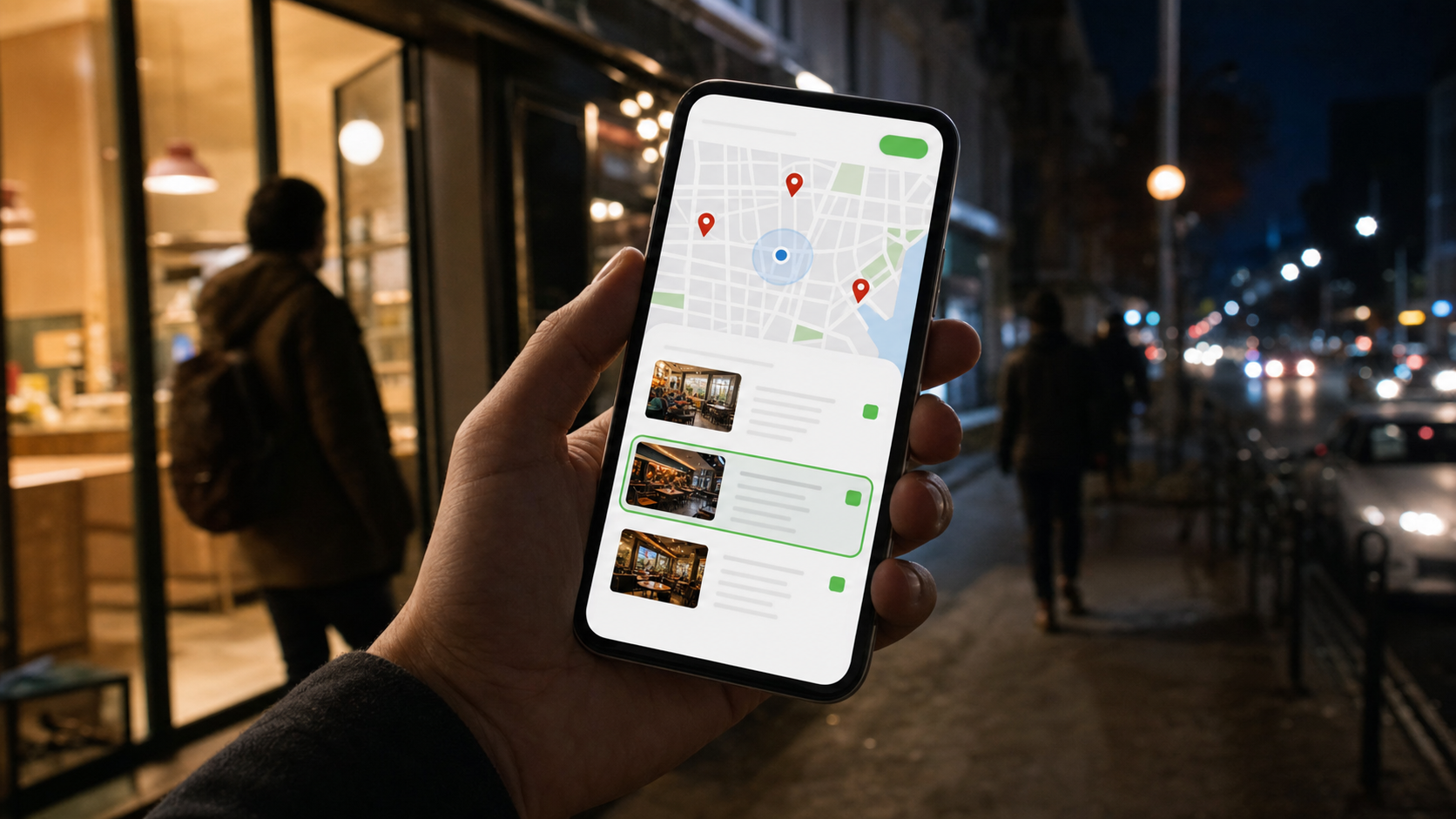
Consumers are increasingly asking AI assistants questions like "Who is the best plumber in Dallas?" or "Find me a highly rated dentist near downtown Chicago." Unlike Google, which returns a list of links, AI search engines return direct answers with specific business recommendations. If your business is not structured to be cited by these AI systems, you will [not appear in their answers](https://app.mplannerpro.com/cd05e5c214/chat?pg=a2141e3c9e) — regardless of how well you rank on Google.
Why GEO Delivers 5x Better Conversion Rates
When an AI engine recommends your business by name, the user arrives with pre-built trust. They are not comparing 10 options — they are acting on a specific recommendation from a system they trust. Research from multiple studies confirms that AI-referred visitors convert at 14.2% on average, compared to 2.8% for standard organic search. This is because AI recommendations function more like personal referrals than search results.
The 5 Pillars of GEO for Local Businesses
1. Structured Content Architecture
AI engines parse content differently than traditional search crawlers. Your website needs clear, self-contained paragraphs that directly answer common questions about your services, service area, and expertise. 44.2% of AI citations come from the first 30% of page content — front-loading key information is critical.
2. Schema Markup and Structured Data
JSON-LD schema tells AI systems exactly what your business does, where you operate, and what services you offer. Comprehensive schema markup — Organization, LocalBusiness, Service, FAQ — makes it dramatically easier for AI to cite you accurately.
3. Authority Signals
AI engines prioritize businesses with strong authority signals: reviews, citations, backlinks from trusted sources, and consistent NAP data across directories. The same trust signals that help Google rankings also influence AI recommendations.
4. AI Crawler Accessibility
Your robots.txt must explicitly allow AI crawlers like GPTBot, ClaudeBot, and PerplexityBot. Many businesses inadvertently block these crawlers, making themselves [invisible to AI search entirely](https://app.mplannerpro.com/cd05e5c214/chat?pg=a2141e3c9e).
5. LLMs.txt and Machine-Readable Context
A dedicated /llms.txt file provides AI systems with a structured summary of your business — services, differentiators, service area, and contact information — in a format optimized for machine consumption.
FAQ
Is GEO a replacement for traditional SEO?
No. GEO complements SEO. You still need strong Google rankings for organic traffic. GEO adds a new, high-converting traffic channel by ensuring AI search engines also recommend your business.
How do I know if AI search engines are recommending my business?
We monitor AI citations across ChatGPT, Claude, Perplexity, and Google AI Mode as part of our reporting. You will see exactly when and how often your business is cited by AI systems.
How quickly can I start appearing in AI search results?
Technical optimizations (schema, robots.txt, llms.txt) can be implemented immediately. Content and authority improvements typically take 30-90 days to influence AI citations.
Ready to find the gaps costing your business clients?
Get your free gap analysis and see what's broken, what's missing, and what to fix first.