
Generative Engine Optimization for Local Service Businesses
Use generative engine optimization to improve AI search visibility, earn ChatGPT business citation, and capture summer leads before demand spikes this May.
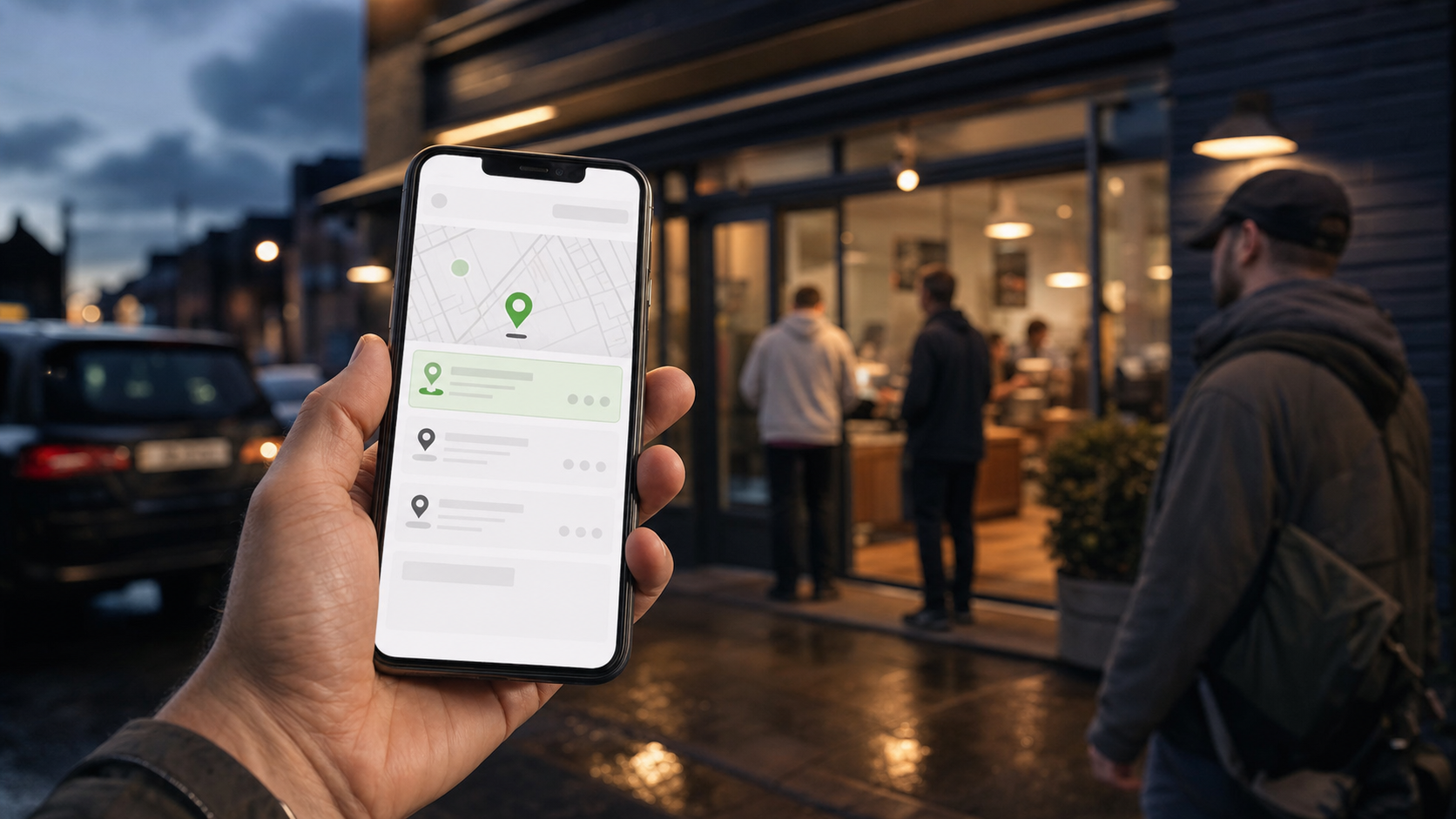
AI search visibility now decides which local businesses get named when people ask ChatGPT, Google, or other generative engines who to call. For plumbers, dentists, roofers, HVAC companies, and law firms, generative engine optimization is the fastest way to become the business AI cites before summer demand spikes.
What GEO means for local service businesses
Generative engine optimization, or GEO, is the process of making your business easy for AI tools to understand, trust, and mention in answers. In plain English, it helps a generative engine choose your company when someone asks for the best local option, the fastest response, or the most trusted provider in town. That matters because AI search is changing the first step in the buying journey. A homeowner might ask, 'Who fixes AC units near me today?' A parent might ask, 'Which dentist is good with nervous kids?' A property manager might ask, 'Who can handle an emergency roof leak this week?' If your business is not structured for AI to read, you may never enter the shortlist. GEO is not a replacement for local SEO. It is an added layer that helps your business show up in AI-generated answers, summaries, and recommendations. That includes ChatGPT business citation opportunities, where your company name appears because the model found strong signals across your website, reviews, and local listings.
Why May 2026 is the best time to prepare for summer demand
May is the planning month before the busy season hits. By the time temperatures rise, storm season intensifies, school gets out, and families start scheduling around vacations, the businesses that prepared early usually get the best leads. Here is why the timing matters:
- Google and Ipsos have reported that 76% of people who search on a smartphone for something nearby visit a related business within a day.
- BrightLocal's 2024 Local Consumer Review Survey found that 98% of consumers read online reviews for local businesses at least occasionally.
- Pew Research Center reported in 2024 that 26% of U.S. adults had tried ChatGPT, which means AI tools are already part of mainstream research behavior.
Those numbers tell the same story. People are searching fast, checking proof, and increasingly asking AI for recommendations before they call. For local service businesses, summer creates a particular kind of urgency:
- HVAC companies see demand spikes when the first heat wave lands.
- Roofers and plumbers deal with storms, leaks, and emergency calls.
- Dentists and medical practices get more rescheduling pressure around vacations.
- Lawyers often see seasonal changes in accident, family, and travel-related inquiries.
If you wait until June to fix your AI search visibility, you are already behind.
How AI engines decide which businesses to mention
Generative engines do not choose businesses the way a human referral usually does. They look for patterns. If the same business facts, services, and trust signals show up across the web, that business becomes easier to cite.
1) Clear business facts
AI systems need to know who you are, where you are, what you do, and who you serve. If your name, address, phone number, hours, service area, and top services are inconsistent, the model has to guess. That is a problem because guessing lowers confidence. A business with a clean digital footprint is easier to recommend.
2) Proof of trust
Reviews, case studies, local mentions, awards, memberships, and photos all help prove that your business is real and active. For service businesses, trust often matters more than clever copy.
3) Content that answers questions directly
AI prefers pages that clearly answer the questions buyers ask. If your page explains pricing, turnaround time, emergency availability, service area, and common problems in simple language, it is much more useful to a generative engine.
4) Consistency across the web
Your website should match your Google Business Profile, directory listings, social profiles, and review platforms. If one source says you serve one county and another says three counties, the signal weakens.
The GEO playbook to win summer leads
The good news is that GEO is practical. You do not need a massive content library. You need clarity, consistency, and proof.
1) Tighten your core business profile
Start with the basics on your homepage, contact page, and Google Business Profile. Make sure these are accurate and easy to find:
- Business name
- Primary phone number
- Service area
- Hours, including emergency availability if relevant
- Top services
- Financing or special offers
- Licensing, insurance, or certifications when applicable
Think of this as the business record AI uses to understand you. If the record is messy, everything else gets harder.
2) Build service pages around real customer questions
Do not bury your best information behind broad marketing language. A strong service page should say:
- What problem you solve
- Who you help
- Where you work
- How fast you respond
- What a customer can expect next
For example, an HVAC page should not just say 'cooling services.' It should explain emergency AC repair, tune-ups before heat season, and what signs indicate a unit is about to fail. A roofer should explain storm damage signs, leak response, and how inspection scheduling works. A dentist should explain emergency visits, family scheduling, and summer whitening or checkup availability.
3) Add FAQ blocks to every high-value page
FAQ sections help both people and AI because they turn vague intent into direct answers. Use questions like:
- How fast can you schedule service?
- Do you handle emergencies?
- What areas do you serve?
- How do you price this work?
- What should I do before you arrive?
Write the answers in plain language. Short, direct answers are easier for an AI system to reuse.
4) Build reviews that mention services and locations
Not all reviews help equally. A review that says, 'Great job' is nice. A review that says, 'They repaired our leaking water heater in Scottsdale the same day' is much stronger for AI search visibility. Ask satisfied customers to mention:
- The exact service you provided
- The city or neighborhood
- The speed or quality of the response
- The outcome they got
That kind of language creates stronger relevance for local searches and stronger trust for generative engines.
5) Earn mentions beyond your own website
A ChatGPT business citation is more likely when your company is referenced in multiple credible places, not just your own content. Focus on:
- Local chamber or association listings
- Industry directories
- Sponsorship pages
- Local news mentions
- Partner and supplier pages
- Community event pages
These do not need to be massive media wins. They just need to be consistent and credible.
6) Publish one seasonal guide before the rush
Create one helpful article that answers the question your customers will ask in late May or June. Examples:
- 'How to prepare your AC before the first heat wave'
- 'Five signs your roof needs inspection before summer storms'
- 'What to do if a pipe bursts during a vacation week'
- 'How to schedule a family dental visit before school is out'
This type of content gives AI a clear reason to surface your business when the question appears.
What to measure if you want GEO to pay off
GEO is not about vanity traffic. It is about being found when buying intent is high. Track these signals:
- Branded search growth
- Calls from your service pages
- Direction requests and map clicks
- Review volume and review detail
- Mentions of your business in AI answers
- Lead quality from emergency and same-day inquiries
You may not get a perfect dashboard for generative engine optimization yet, but you can absolutely see whether visibility and leads are improving.
A simple 30-day GEO plan before summer starts
If you want a practical starting point, do this over the next month: 1. Audit your business facts across your website, Google Business Profile, and top directories. 2. Rewrite your top three service pages so each page answers buyer questions directly. 3. Add FAQ sections to your most important pages. 4. Request new reviews from recent customers, and ask them to mention the service and location. 5. Publish one summer prep article that matches a high-intent local search. 6. Review your photos, hours, and emergency messaging so nothing looks outdated. That is enough to improve AI search visibility before the summer rush.
Why this matters more for local service businesses than most brands
Local service companies win when they are specific. AI engines love specificity. A homeowner does not want a generic answer. They want the best person for the job, in their area, with proof they can trust. That is why GEO is such a strong fit for plumbers, dentists, lawyers, HVAC contractors, roofers, and similar businesses. The businesses that will win this summer are the ones that make it easy for machines and humans to say the same thing: this is the local provider to call.
FAQ
Is GEO just another name for SEO?
No—GEO focuses on making your business easy for AI answer engines to understand and cite, while SEO still helps you rank in traditional search results.
How long does it take to see results from GEO?
Most local service businesses can see meaningful improvements in 30 to 90 days if they fix business facts, reviews, and service pages consistently.
Do reviews really affect ChatGPT business citation?
Yes—reviews are one of the strongest trust signals AI systems use when deciding which local businesses to mention. Ready to see what this looks like for your business? Get your free gap analysis.
Ready to find the gaps costing your business clients?
Get your free gap analysis and see what's broken, what's missing, and what to fix first.
Get My Free Gap Analysis